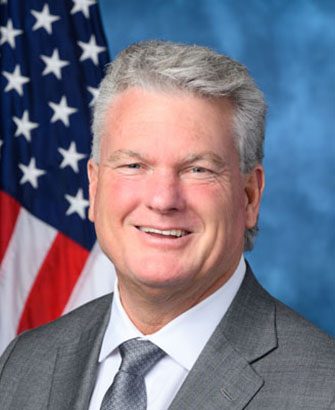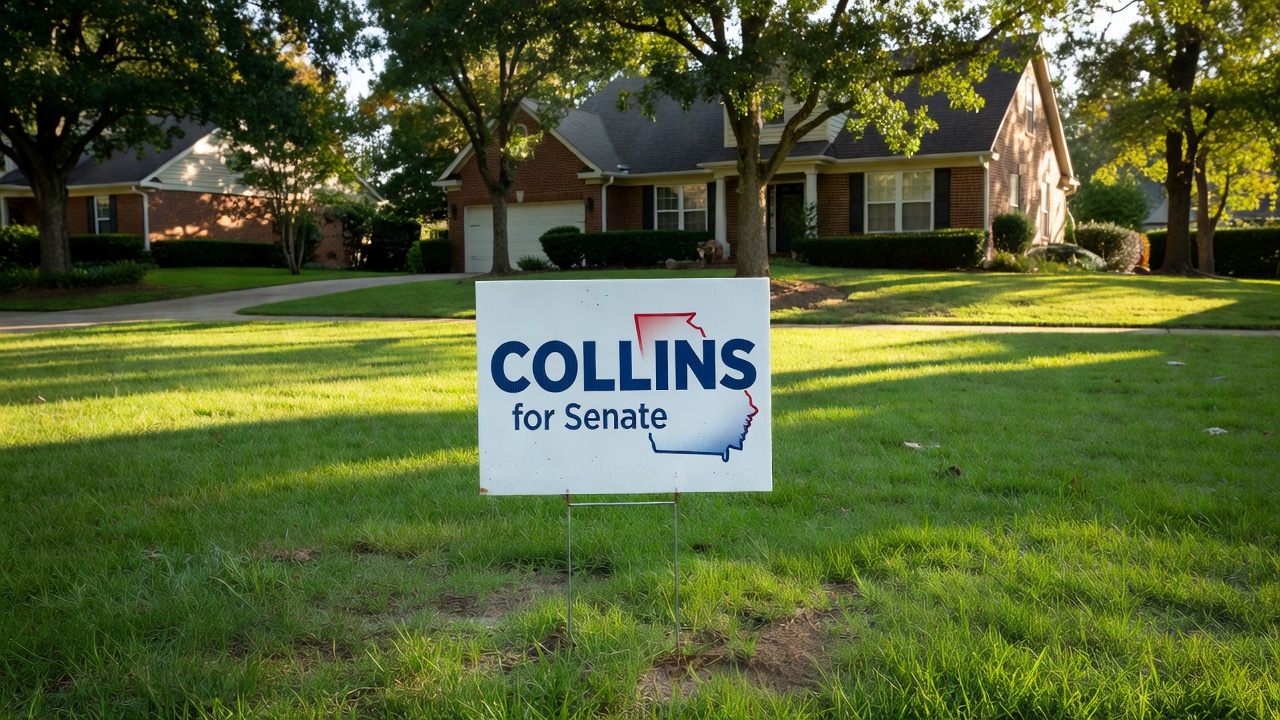
The U.S. Supreme Court issued a 6-3 decision on June 30 striking down federal limits on coordinated spending between national political parties and candidates. The ruling, which found the restrictions violate the First Amendment, immediately expands options for Republican committees to work directly with campaigns. Mike Collins, the GOP nominee facing Democratic Sen. Jon Ossoff in November, stands to gain from the added flexibility in a race already viewed as competitive for Senate control.
Ruling Removes Longstanding Coordination Caps
Federal election law had capped the amounts national party committees could spend in coordination with individual candidates. Those limits dated back decades and applied across House, Senate and presidential contests. The Supreme Court decision eliminates those caps entirely for coordinated expenditures.
National Republican committees can now direct unlimited resources toward television, digital and ground efforts that align precisely with Collins' messaging. Democratic committees face the same new freedom, yet the ruling arrives at a moment when GOP fundraising structures hold structural advantages in several battleground states. Georgia Recorder documented the decision's timing and scope in its June 30 coverage.
Collins Positioned for Coordinated Support
Collins secured the Republican nomination after winning the June 16 primary runoff with an endorsement from President Trump. That victory cleared the path to the general election against Ossoff, the only Democrat on the ballot in a state Trump carried in 2024. The new spending rules allow the National Republican Senatorial Committee and other party entities to amplify Collins' efforts without the previous dollar constraints.
Analysts note that coordinated spending often proves most effective in the final months of a campaign when message discipline matters most. Collins can now receive direct assistance on voter contact programs and advertising buys that match his schedule and priorities. The Atlanta Journal-Constitution examined how the decision may deliver a practical edge to Collins in its July analysis.