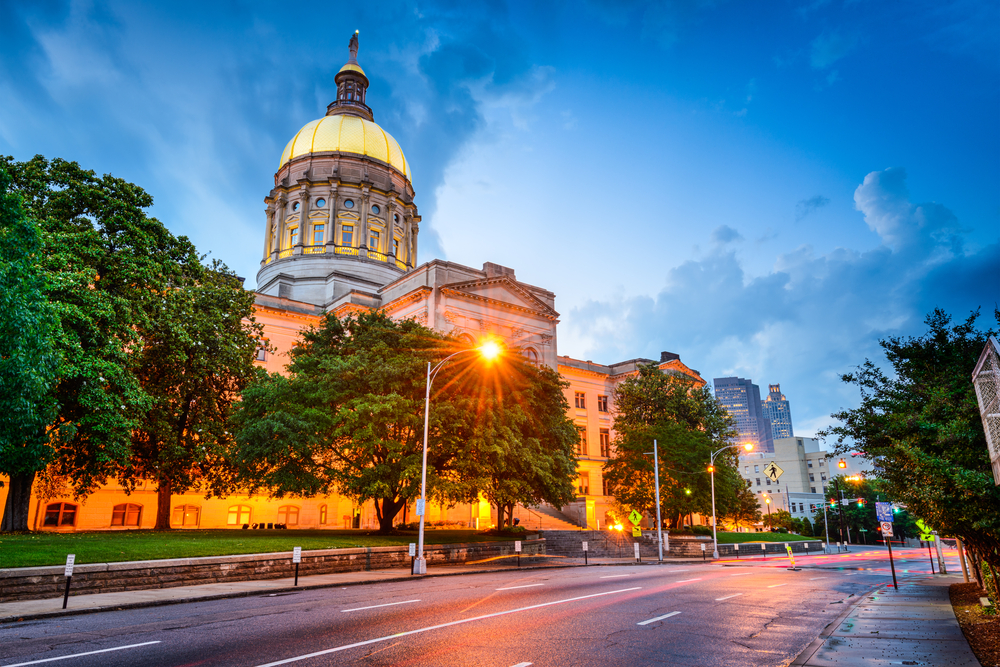
Georgia SB 591 bans disruptive protests near religious services, passes Senate 39-13, advances in House. Backed by Baptists amid free speech debate.
Bill Targets Disruptions Near Churches
Sen. Steve Gooch, a Republican from Dahlonega, sponsors SB 591. It prohibits protests that interfere with religious services inside 500 feet of the site. The restriction applies from one hour before services start until one hour after they end.
Violators face misdemeanor charges. Penalties include fines up to $1,000 or jail time up to one year. The bill defines disruption broadly, which fuels debate over enforcement.
Senate Vote Shows Party Lines
The Senate passed SB 591 39-13 in early March. All Republicans voted yes. Democrats split, with some joining the majority.
On Tuesday, a House committee sent the bill forward without opposition. This smooth progress signals strong GOP control in the legislature. Republicans hold supermajorities in both chambers.
Baptists Back Protection for Worship
The Georgia Baptist Mission Board supports the bill. Leaders argue it safeguards religious freedom. They want to stop harassment of worshippers attending services.
SB 591 also toughens rules on military funerals. It raises disruptions there to high and aggravated misdemeanors. Penalties climb to $5,000 fines and one year in jail. Existing laws already limit protests at funerals, but this escalates punishment.
States Follow National Push
Georgia joins a trend. South Dakota makes blocking religious acts a felony. Similar bills sit in Louisiana, Idaho, Ohio, and Alabama legislatures.
Supporters frame these laws as balanced. They protect one group's rights without banning speech outright. Distance and time limits aim to narrow the scope.
First Amendment Clash Looms
Opponents call SB 591 a free speech risk. The vague "disruptive" standard could chill protests near churches. Courts often strike down content-based restrictions on expression.
Religious liberty cuts both ways here. One side claims protection from interference. The other warns of favoring one faith's practice over public dissent. Litigation seems likely if the bill becomes law.
The full House votes on SB 591 next session, likely in the coming weeks. GOP leaders predict passage before the legislative deadline in late spring.